

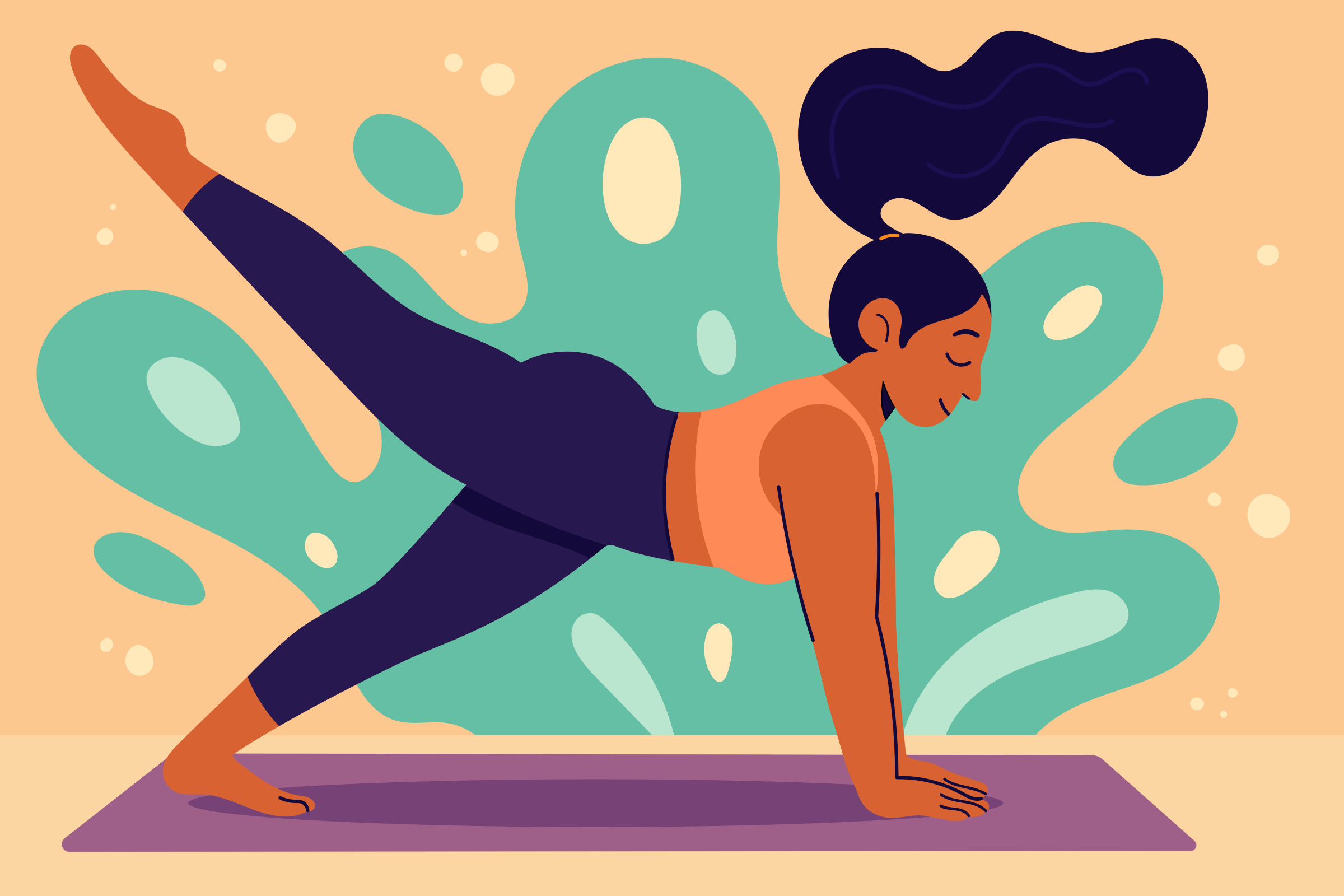
The Paleo Diet® is not only about eating the foods that best align with our bodies, but also living in a way that supports our health as well. Aside from diet, there are several other key factors that are important to maintaining health and longevity throughout your life: exercise, sleep, and stress. Let’s explore each one in more detail.
Diet
We wouldn’t be The Paleo Diet® if we didn’t emphasize the importance of eating well. A balanced diet can contribute to lower risk of chronic disease, better cognitive function, improved athletic performance, healthier skin and hair, and greater longevity. According to nutritionist Aimee McNew, there are three ways to improve your health with diet:
Eliminate Simple Sugars: Cutting back on sugar may improve mental health, cognitive health, and reduce the risk of metabolic dysfunction that can lead to a host of chronic diseases
Eat High-Quality Protein: Not all protein is made the same. Processed meats like deli meat, bacon, sausage, and salami contain many potentially unhealthy additives, especially nitrites. In addition, grass-fed and regeneratively raised meats have been found to have greater nutrients than their feedlot and grain-fed counterparts.
Avoid Pro-Inflammatory Food Groups: The Paleo Diet eliminates grains, dairy, beans, and legumes because these food groups may cause chronic inflammation, which can lead to autoimmune disease.
Of course, these all go hand in hand with eating Paleo, which focuses on consuming a variety of whole or minimally processed foods such as fruits, vegetables, sustainable meat and seafood, and healthy fats. By eschewing highly processed foods, you’re already on your way to reducing the intake of added sugars, unhealthy cured meats, and potentially inflammatory grains.
Exercise
We’ve all heard the benefits of staying fit, especially when it comes to maintaining health into our later years. Sedentary lifestyles have been linked to a wealth of adverse health conditions, including cardiovascular disease. Having functional strength contributes to longevity, immune health, and can bolster recovery after an injury. And in a meta-analysis from April 2026, researchers concluded that exercise in combination with diet improved cognitive function in older adults more than either factor on its own.
The meta-analysis looked at both aerobic exercise and resistance training as the form of fitness used, though researchers did not specify if one approach was more beneficial than the other. But you don’t have to go all-out in your fitness journey if you’re starting from zero:
For those who spend all day at a desk, find simple ways to increase the time on your feet, such as regular breaks to do a quick exercise (think: jumping jacks, squats, or walking to your coworker’s desk to ask them a question instead of sending a message).
If your job keeps you pretty active, look at other ways you can cut being sedentary, such as folding laundry while watching TV, or parking at the far side of the parking lot to go to the store.
Even when combined with a regular strength training program, these small actions can add up and further contribute to your overall health.
Sleep
According to Dr. Mark J. Smith, Chief Science Officer at The Paleo Diet, “the quality and quantity of your sleep influences every component of human physiology.” That includes mental health, immunity, weight, and cognition, in addition to just energy levels. In order to optimize our health, a good night’s rest is paramount. But what that looks like differs from person to person.
Dr. Smith says only about 40% of people are actually early risers, with the remaining 60% split between night owls and a mix between early risers and night owls. What time you go to bed and how long you need to sleep for is up to you to figure out, though most experts say between 7–9 hours a night is still ideal. Here’s some tips to help you get to sleep and stay asleep throughout the night:
Reduce Blue Light Exposure: Our electronic devices emit blue light that can disrupt our circadian rhythms. Putting the phone down before bed, wearing blue light–blocking glasses, or even changing the light settings on your phone or computer screen can all help reduce exposure.
Make Your Bedroom a “Sleep Sanctuary”: Ideally, your bedroom should not be a source of potential distractions. Removing the television, investing in blackout curtains, and keeping the temperature cool can all contribute to a restful night’s sleep. If you have trouble falling asleep, try guided meditations to help get you in the right mental state for rest.
Minimize Stressors: Besides maintaining good mental health by minimizing your stress (more on that below), removing other potentially stressful stimuli is also beneficial. If you have street noise or go to bed earlier than other people in your home, consider a white noise machine, fan, or earplugs. Avoid drinking caffeine or alcohol before bed, and—as stated above—keep electronic screens out of your face. Not only is the blue light disruptive, but what you consume online can also mentally throw you off your routine.
Stress
Stress is inevitable at times, and it is an important evolutionary trait that helps protect us from danger. But when stress becomes chronic, it can suppress our immune system, negatively affect our mood, and elevate our blood pressure. The latter point is especially important, as heart disease remains the leading cause of death among Americans, per the U.S. Centers for Disease Control and Prevention.
McNew suggests trying one or more of the following methods to reduce stress, all backed by scientific research:
Meditation: Studies have found regularly practicing mindfulness can reduce stress biomarkers.
Yoga: Also mindfulness based, yoga “has been shown to alter inflammatory triggers in the immune system that are elevated at times of stress,” says McNew.
Aromatherapy: Lavender essential oil has been proven to reduce feelings of anxiety and stress.
Earthing: Kick your shoes off and get out in nature to ground yourself by touching bare feet to the earth.
Sleep: Just like diet and exercise work together to increase health outcomes, stress and sleep also work hand in hand. The less stressed you feel, the better you’ll sleep, which can leave you clear-headed to tackle a morning workout and make healthy decisions for your diet.
Join the discussion by commenting your favorite techniques for better diet, exercise, sleep, or destressing on our Substack page!
—Andrea Dehnke
LATEST READ
See what else we’re talking about over at thepaleodiet.com

Just Like the Gut, You Have a Skin Microbiome, and What You Eat Shapes It
This is our new Substack format, which tackles health and nutrition news and analysis. If you’re just looking for recipes, you can pledge now for our new recipe newsletter launching in July for only $5 a month. Every week you’ll receive one quick and easy recipe, a PDF download of our What to Eat This Week meal plan, and the latest recipes and staff recommendations to try.